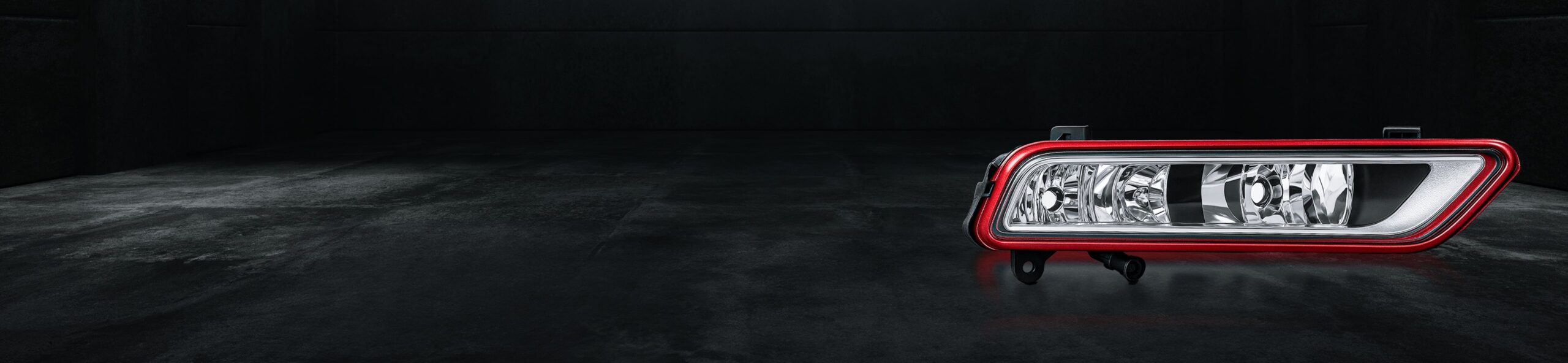
Lighting and its components
The BLIC brand offers a wide range of vehicle lighting components, including indicators, tail lamps, fog lights, and marker lights, ensuring safety and visibility on the road. The assortment also includes license plate lighting, stop lamps, and headlight lenses—providing cost-effective repair solutions without replacing the entire unit.
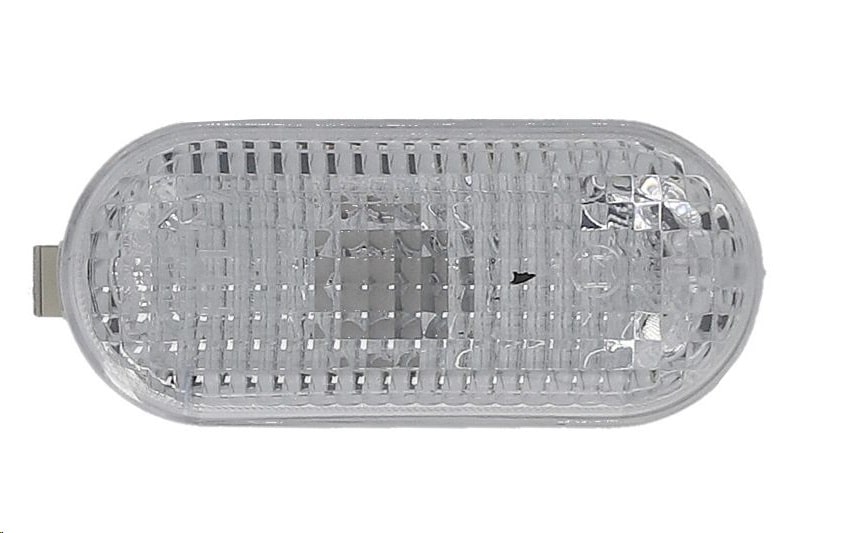
Indicators
Indicators are essential vehicle lighting components that signal lane changes or turns to other road users. They typically consist of a bulb or LED, lens, and control circuit that produces the flashing light. Depending on design, indicators may be integrated into headlights, side mirrors, or wings.
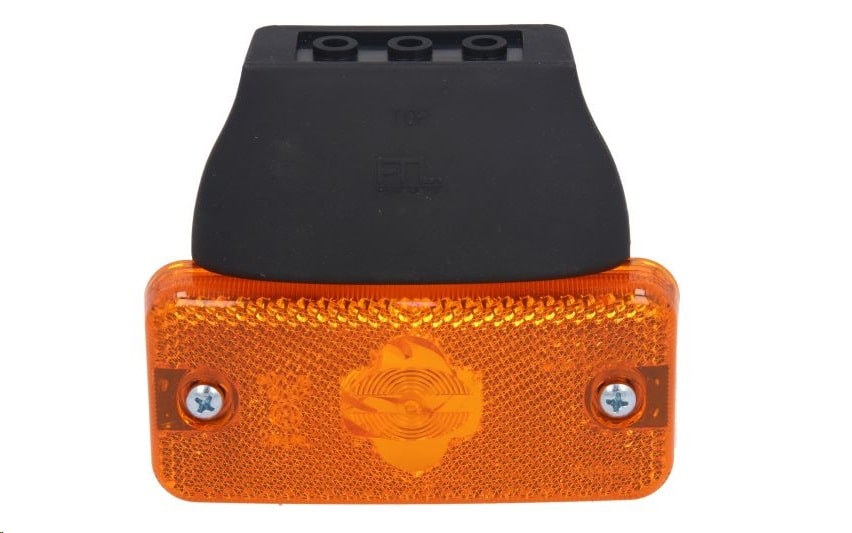
Marker lamps
Marker lamps outline the dimensions of a vehicle, enhancing visibility from the front, rear, and sides—especially in poor visibility conditions. Mounted on body edges near mirrors, fenders, or bumpers, they may emit white, red, or amber light depending on placement. Available in bulb or LED versions, their housings are designed to resist weather and vibration.
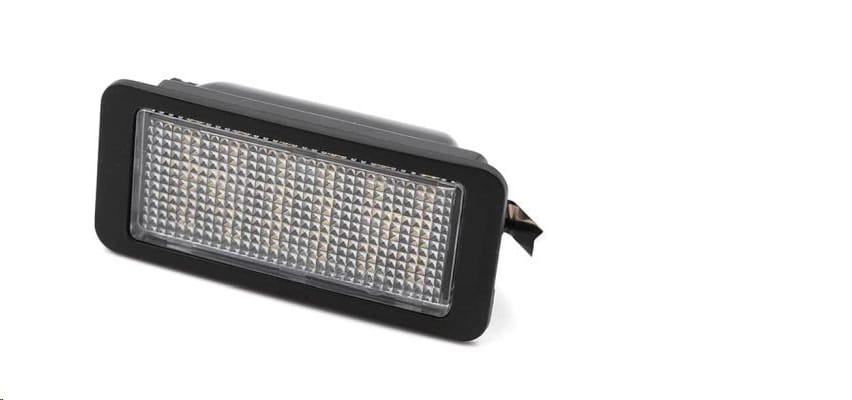
License plate lighting
License plate lighting ensures clear visibility of vehicle registration numbers at night and in low light, as required by traffic regulations. Typically using one or two bulb or LED fixtures positioned above or beside the plate, these lights feature durable housings resistant to moisture, dirt, and vibration, with UV-resistant lenses for long-lasting clarity.
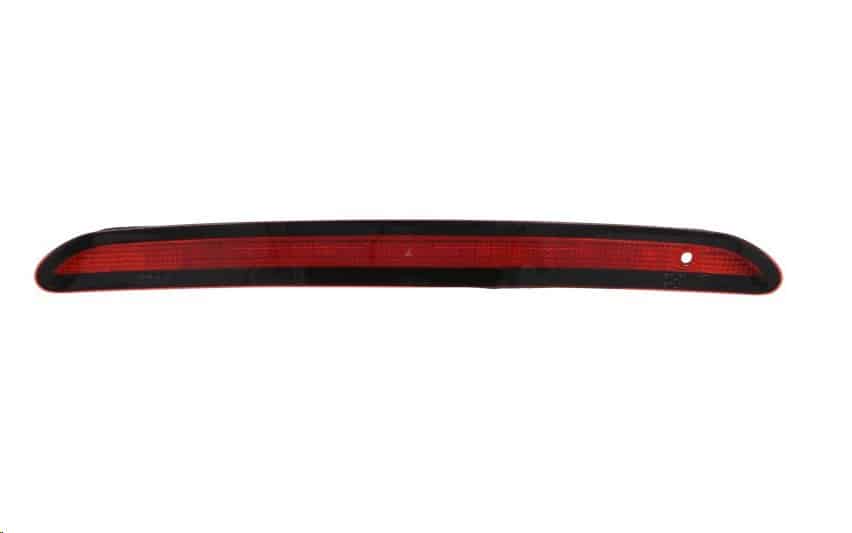
Brake lights
Brake lights signal vehicle deceleration with a bright red light activated by the brake pedal. Available with traditional bulbs or modern LEDs, they ensure fast response and high visibility. Typically mounted at the rear of the vehicle, many models also feature a third brake light positioned higher for added safety.
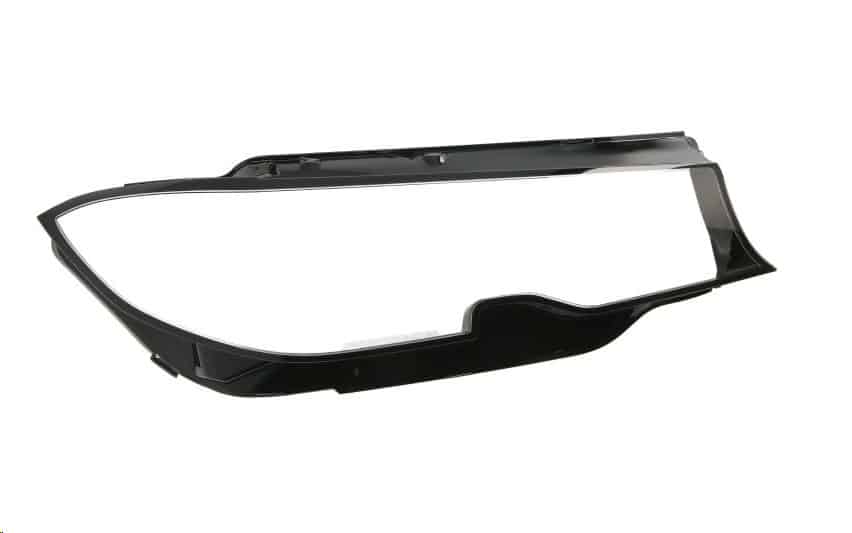
Headlight lenses
The headlight lens protects the lighting module and directs the beam emitted by the bulb or LED. Made from polycarbonate or toughened glass, it is prone to scratches, cracks, or dulling over time due to UV exposure and weathering. A worn lens reduces light output, compromising nighttime driving safety. Damaged or faded lenses can be replaced or restored through polishing.
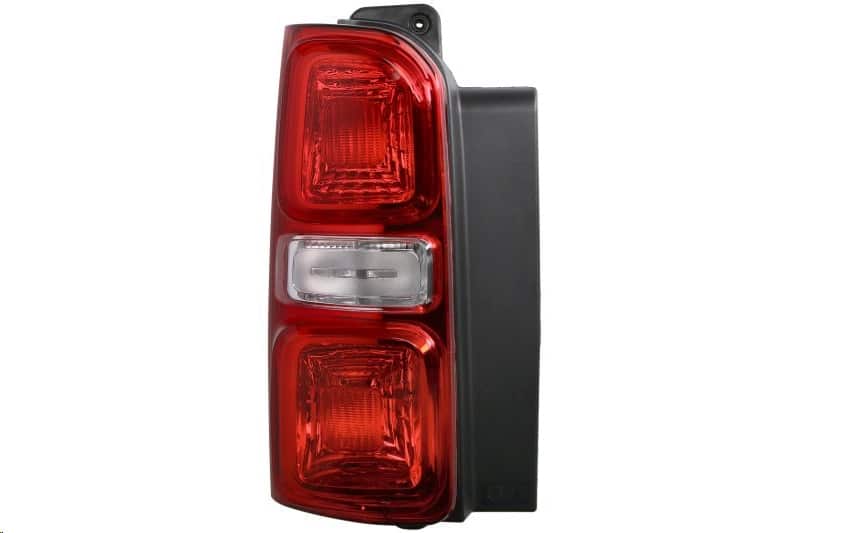
Rear lights
Rear lights provide essential signaling functions, informing other drivers of braking, turning, or reversing. Modern designs use LED technology for faster response, higher durability, and lower energy consumption. Regulations require red rear lights, white reversing lights, and orange turn signals. Many vehicles also feature integrated safety functions, such as automatic hazard activation during emergency braking.
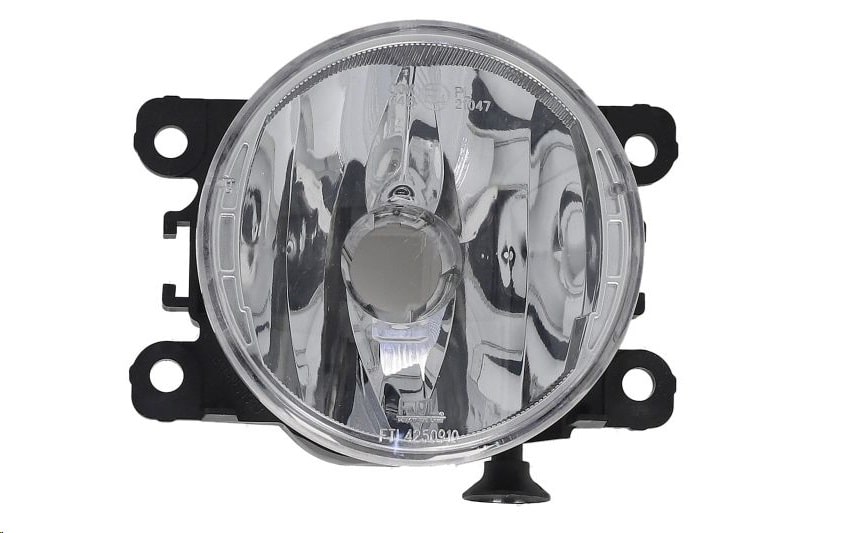
Fog lamps
Front fog lamps project a wide, low beam to improve visibility in fog, rain, or snow. Rear fog lamps, brighter than standard position lights, make vehicles more visible from behind in dense fog. Usually mounted on the left side or both sides, they ensure visibility from long distances. Regulations restrict fog lamp use to poor visibility conditions, as misuse can dazzle other drivers and result in fines.
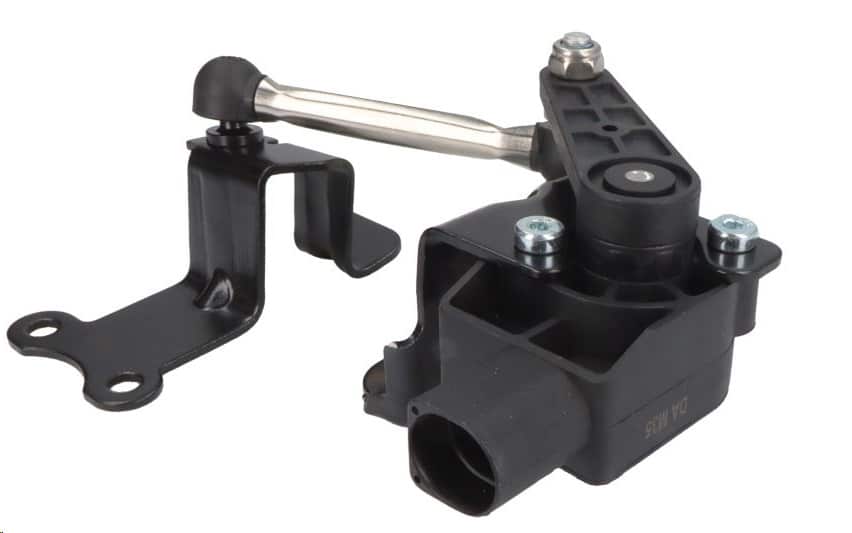
Headlight adjustment
Headlight levelling sensors detect suspension movement to measure vehicle load. This data enables the automatic headlight leveling system to adjust beam angle in real time, preventing glare for other drivers. Essential when towing or carrying heavy loads, the system ensures consistent road illumination and driving safety under all loading conditions.