
Knowledge Base
In the BLIC Knowledge Center, you’ll find insights on car part quality, certifications, production processes, and advanced methods of protecting bodywork elements.
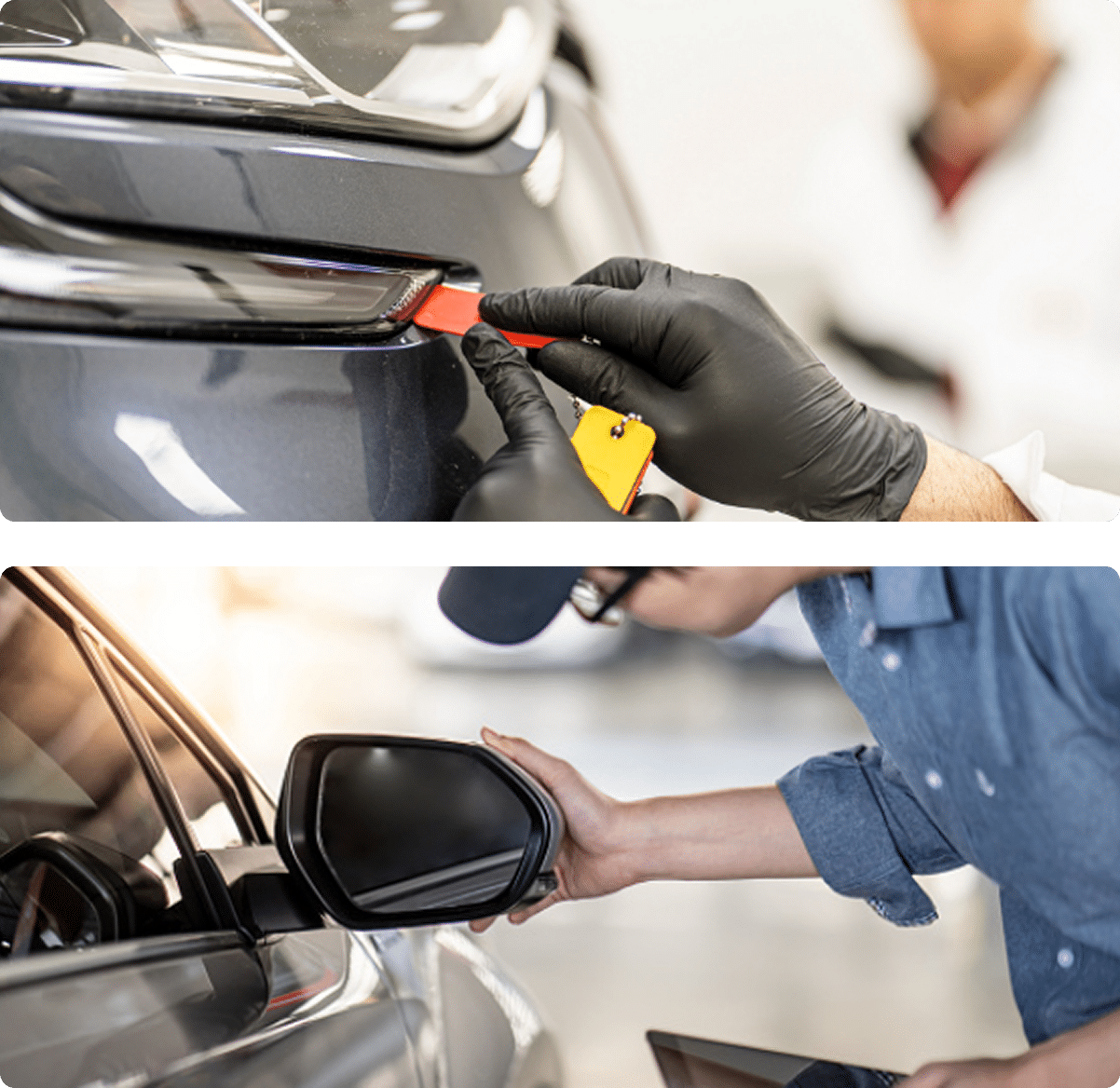
Verification Process
Many BLIC products are certified. What is the certification process and how does it work?
The certification procedure starts by sending the parts to a laboratory, where the following characteristics are tested:
- general visual appearance of the parts
- composition of the product materials
- shape and dimensions compared to the original part
- fit level on the vehicle
- pendulum crash test to check the level of kinetic energy absorption
- resistance to high and low temperatures
- moisture and salt fog test
The above-mentioned tests are conducted by independent research institutes: Centro Zaragoza in Spain, Thatcham Research in the UK, TUV Rheinland in Germany, and Capa in the USA.
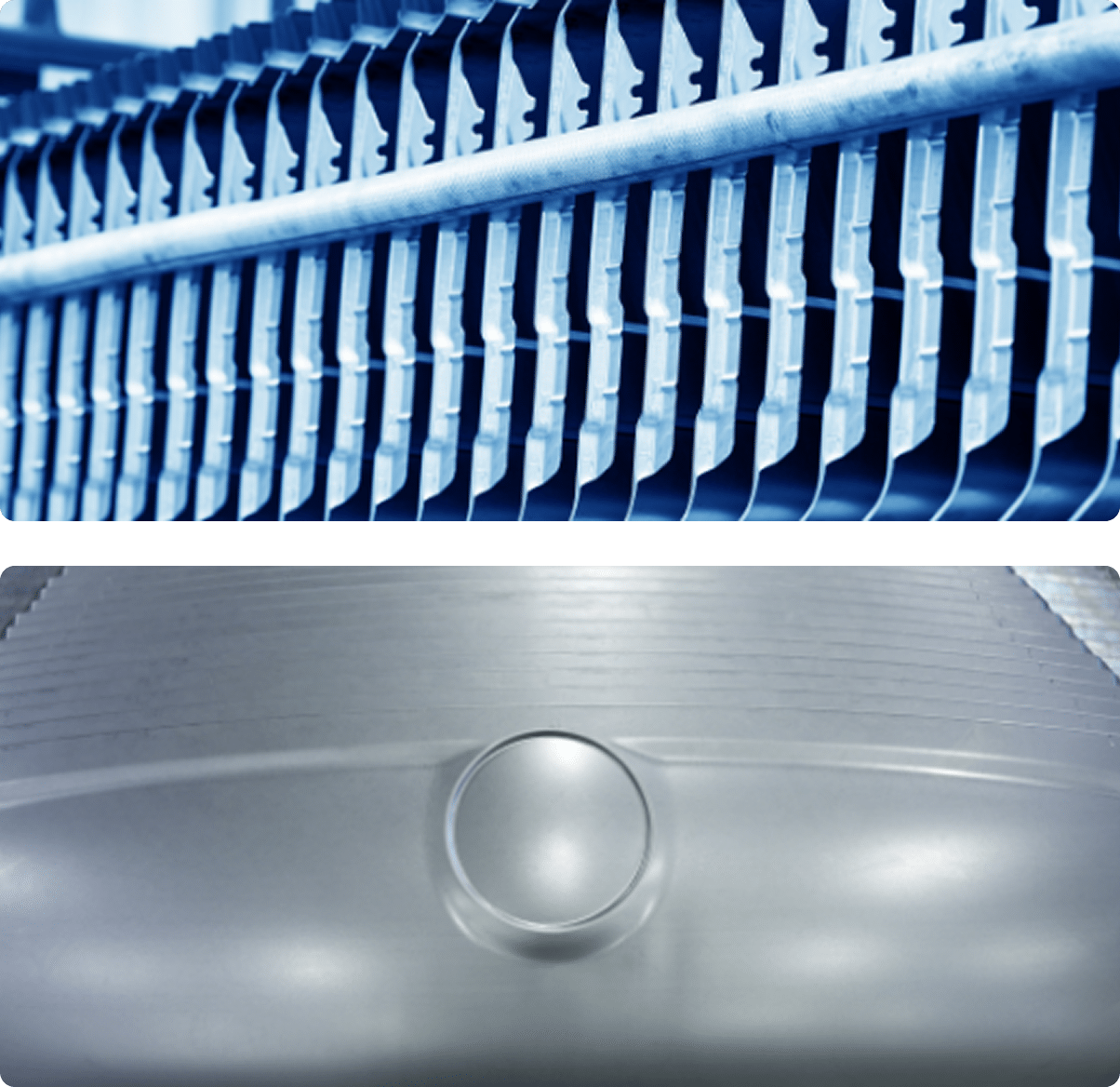
Galvanized Parts
All metal parts with BLIC certification are produced from galvanized steel.
Simply speaking, electrolytic galvanization is a process in which a thin layer of another metal is bonded with the steel to protect it from corrosion. In the automotive industry, the most common method is zinc coating. The process involves immersing a metal element, e.g., a fender, in a galvanic bath filled with a solution of chemical compounds and pure metal, e.g., zinc.
Under the influence of the current flow and electrochemical reaction, the solution molecules with dissolved metal adhere to the element, forming a durable protective coating.
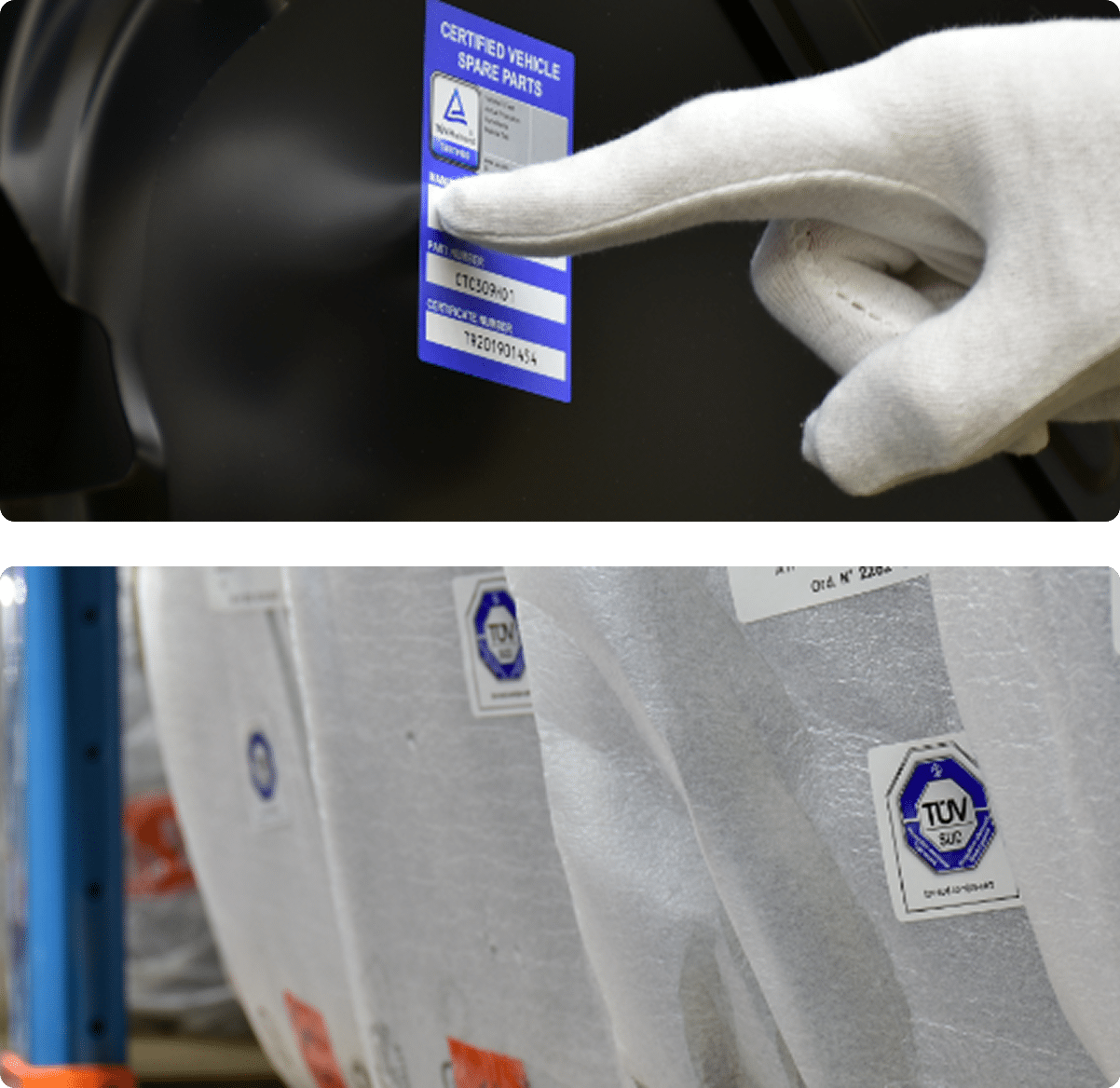
How to recognize a quality variant by the BLIC index
In the BLIC offer, the largest group of parts are those marked with PC and PJ.
Products marked with PJ can be identified by the letter “P” at the end of the index, for example: 6803-00-0066281P.
Products marked with PC can be identified by the letter “Q” at the end of the index, for example: 6803-00-0066281Q.
Additionally, certified parts have markings on the packaging and on the part itself.
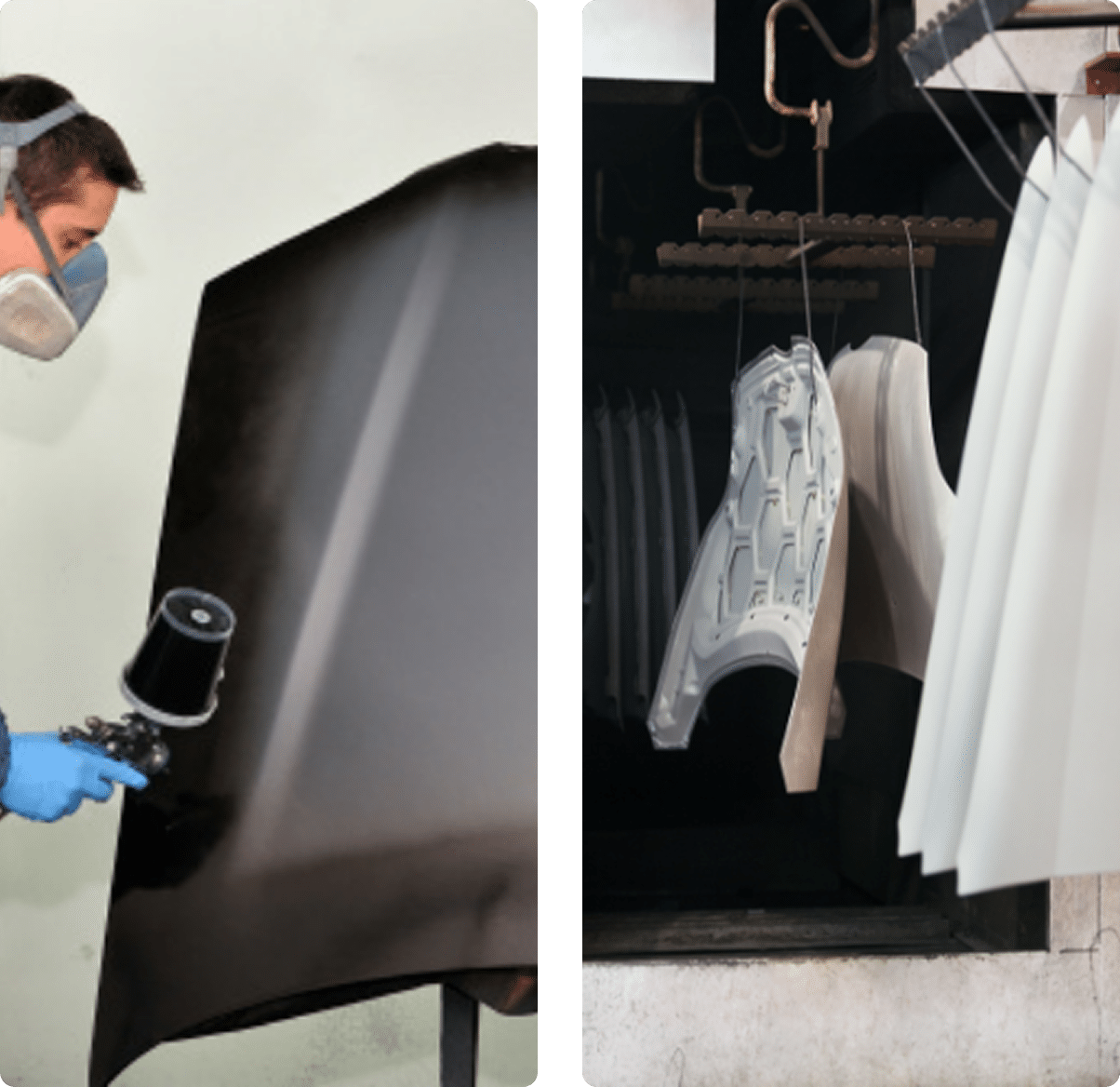
Additional protection for metal parts
All BLIC metal parts are covered with a layer of black, strongly adhering protective coating. This coating is produced by painting using the cataphoresis technique, also known as electrophoresis. This technique involves applying a layer of paint on electrically conductive surfaces. The purpose of painting is to protect metal parts from atmospheric conditions during transportation and storage. The advantage of such painting is that the paint reaches all hard-to-reach crevices of the painted element, forming a hard and even surface.
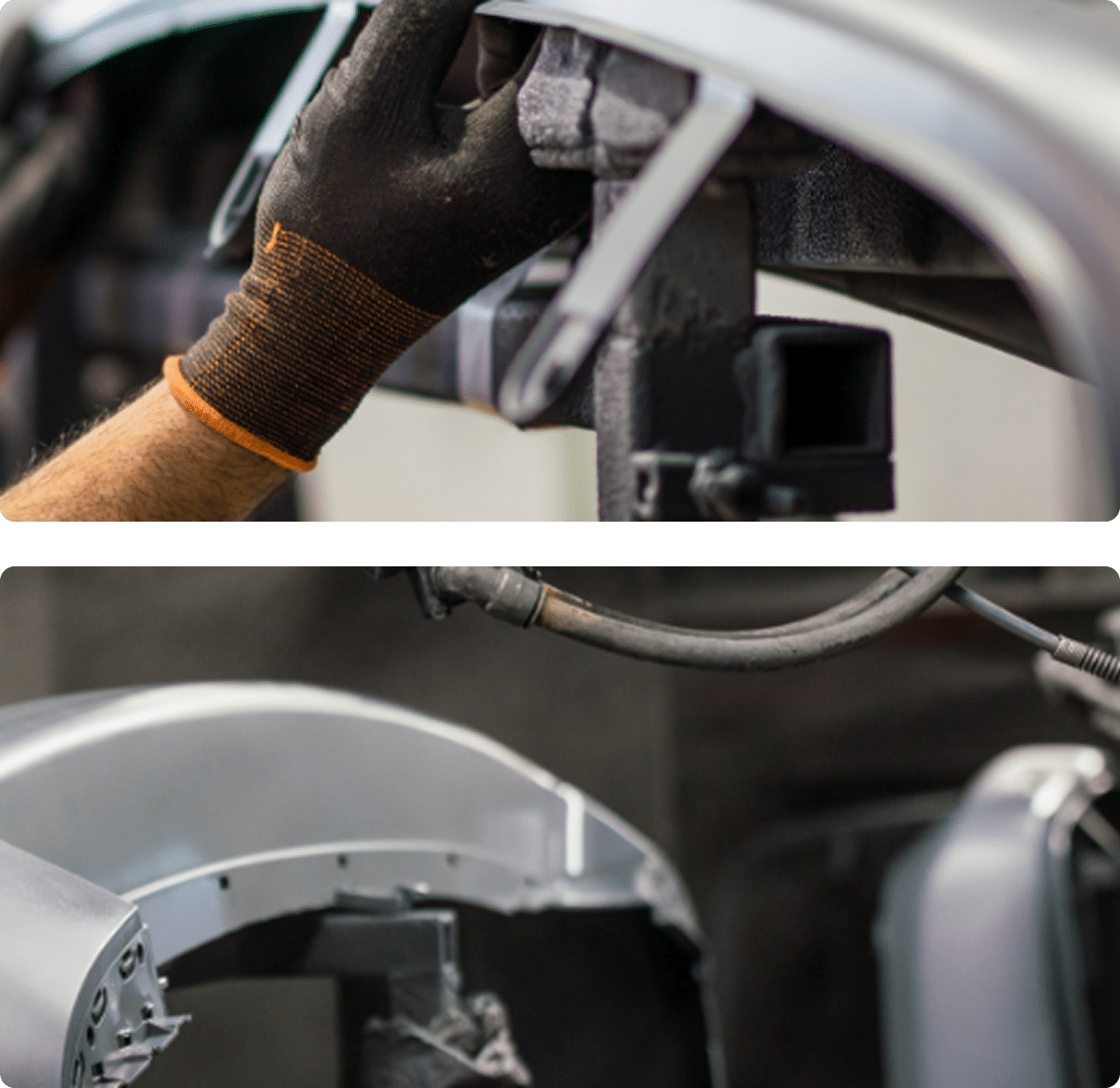
Primed bumpers
Most bumpers from the BLIC range are covered with a high-quality, strongly adhering primer. Thanks to this solution, after a short preparation, you can proceed to paint the element in color.